


If any of these physical changes occur, or if the employee feels their respirator is no longer suitable, they need to be retested. User seal checks must also be performed each time the employee puts on the respirator for work. A seal check differs from a fit test in that it checks if the respirator is properly sealed to the wearer's face or if it needs to be readjusted.
Respirator Fit Tests
Ensure A Proper Respirator Fit
For any employee required to use a tight-fitting respirator while on the job, a respirator fit test will help identify if the respirator fits their face properly to seal and protect their health. Respirators that aren’t properly fitted won’t protect the employee, which could lead to them inhaling harmful chemicals, vapors, or particles. This is an essential step in implementing safety measures in the workplace, ensuring that your employees remain safe and healthy while working in a safety-sensitive position.



What is a Respirator Fit Test?
Differing from a respirator physical, a respirator fit test assesses the seal between the respirator’s faceplate and the employee’s face to determine the accurate make, model, and size that will protect the employee. Typically, this test lasts about 10-15 minutes and is performed annually. Employees who wear prescription glasses, safety goggles, earmuffs, or other similar items may be asked to use them during the respirator fit test to help ensure accuracy and prevent the items from interfering with the fit.

Why is a fit test necessary?
Once a fit test is performed and passed, the employee must wear only the exact same make, model, style, and size that were used to perform the test. Not all respirators fit employees equally, which is why a fit test is so necessary. If it results in a fail, another make, model, style, or size will be tested until a proper fit is found. Physical changes could also affect the fit of your respirator and include:
- Facial hair (beards, mustaches, etc.)
- Significant weight gain or loss
- Major dental work (dentures)
- Facial surgery
- Significant scarring in the area of the seal
Respirator fit-tests come in two different types; qualitative and quantitative.
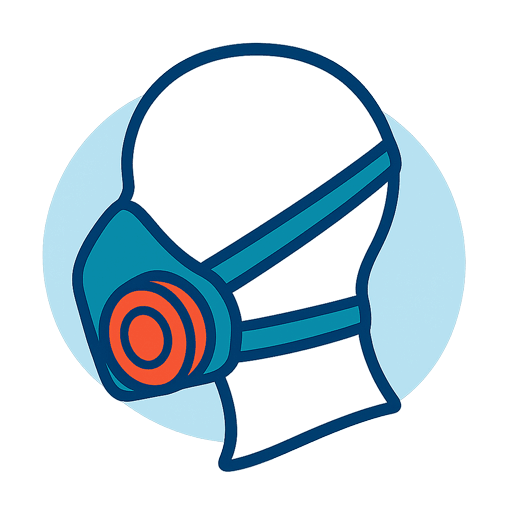
Qualitative Fit Testing
Qualitative fit testing uses your sense of taste or smell, or reaction to an irritant, to determine if the respirator is allowing leakage into the faceplate. This is measured as pass/fail and determines if you detect a leakage, rather than measuring the actual amount of leakage itself. Qualitative fit tests are typically used for half-face respirators, N95 Respirators, and elastomeric respirators, which cover only the face and mouth.
OSHA outlines four qualitative fit test methods
- Isoamyl acetate, which smells like bananas;
- Saccharin, which leaves a sweet taste in your mouth;
- Bitrex, which leaves a bitter taste in your mouth, and
- Irritant smoke which can cause coughing.
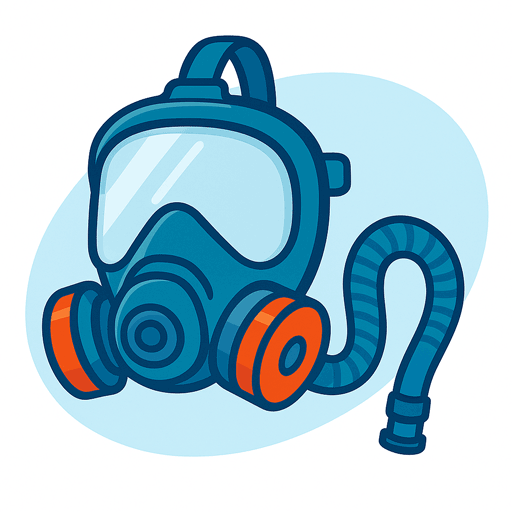
Quantitative Fit Testing
Quantitative fit testing will utilize a device to measure the actual amount of leakage into the respirator, rather than relying on your sense of taste, smell, or irritation. During this fit test, the employee will wear a respirator with a probe attached or use an adapter that connects to the device(s) by a hose. This type of fit test can be used for any kind of tight-fitting respirator.
The three quantitative fit test methods accepted by OSHA are:
- Generated aerosol
- Ambient aerosol
- Controlled Negative Pressure.
Explore DISA Services
More Occupational Health Services

Blood Work
Support employee wellness with routine blood testing to detect illness, monitor exposures, and ensure fitness for duty in safety-sensitive roles.

Injury Care
Ensure prompt, compliant treatment for workplace injuries with DISA’s licensed occupational health professionals, helping employees recover and return to work safely.

Immunizations
Protect your workforce with essential vaccinations, from annual flu shots to job-specific immunizations like Hepatitis B, MMR, and Tdap, ensuring health and safety.

Occupational Medical Record Tracking (OMRT)
DISA’s OMRT system streamlines occupational health screenings with automated reminders, consolidated billing, and nationwide clinic access for full compliance.

MRO Services
DISA’s certified Medical Review Officers (MROs) ensure accuracy and compliance by reviewing lab-confirmed drug test results, verifying medical explanations, and safeguarding confidentiality.

On-Site Health and Mobile Collection Services
DISA’s mobile units bring drug testing and occupational health services onsite, reducing downtime and travel while helping you stay compliant.

On-Site Medical Nursing Staff
DISA’s on-site medical staff delivers care directly at your workplace, reducing downtime, injuries, and healthcare costs while helping maintain compliance.

Physical Abilities Exam Functional Capacity Evaluation
Physical Abilities Exams help confirm if employees can safely perform job tasks, support rehab, return-to-work, and workers’ comp or disability evaluations.

Physical Exams
Physical exams verify that employees can meet job demands safely. Options include DOT, fit-for-duty, and pre-employment exams tailored to your industry.

Types Of Physical Exams
DISA offers industry-specific physical exams to ensure employees meet safety, compliance, and job performance standards.

Audiometric Testing
Monitor and protect employees exposed to high noise levels with DISA’s audiometric testing services, ensuring workplace safety and OSHA compliance.

Respiratory Testing
Respiratory testing ensures employees can safely wear respirators in hazardous environments. OSHA requires medical evaluations and fit tests for compliance.
Read More


DISA offers and recommends respiratory fit testing to enhance your workplace safety.
To learn more about DISA’s occupational health services, please call 281-673-2530 or contact us online below.