How do background checks work?
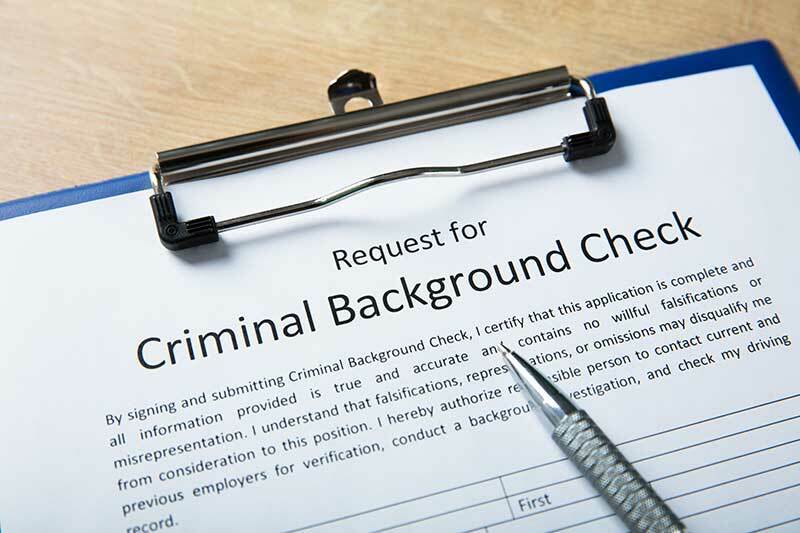
A background check is a process of collecting information on a person's past activities and behaviors. It is typically used by employers and other organizations to verify a person's credentials and criminal history. Background checks can include criminal records, credit reports, and references. They can also include education, employment history, and professional licenses.
Background checks are conducted by companies that specialize in this type of service. The process typically involves gathering information from public records, such as court records, credit reports, and police reports. The company will then verify the information and create a report for the employer or organization. The report can include information on qualifications, pending criminal cases, convictions, conflicts of interest, negative media, and more that impact the hiring decision.
Employers also use background checks to verify education and employment history, as well as references. Employers must obtain permission from the applicant before conducting a background check. They also can provide the applicant with the option to request a copy of the report and, if done for employment purposes or an investigative consumer report, they must disclose why they are conducting a check per FCRA Disclosure and FCRA Investigative Consumer Report Disclosure requirements.
What shows up on a background check?
A background check is a process by which organizations or individuals review an individual's criminal history, credit history, and other personal information to assess their suitability for a particular purpose. Background checks are typically used to screen potential employees, contractors, tenants, and volunteers. They can also be used to confirm information provided by an applicant on a job or rental application.
In the United States, background checks are governed by the Fair Credit Reporting Act (FCRA), which regulates the collection, distribution, and use of consumer information, including consumer reports. When conducting a background check, employers, landlords, and other organizations can access consumer reports that include information about an individual's criminal and civil records. Select organizations may also access credit history in specific cases, depending on the state and local laws.
Criminal Record: A background check will typically include an individual's criminal record, which includes pending criminal cases, convictions, and court records where applicable. Employers may use this information to determine if an applicant has any past criminal convictions that could be relevant to the job they are applying for.
Credit History: A background check may also include an individual's credit history, which includes information about any unpaid debts, bankruptcies, or other financial issues. Employers may use this information to assess an applicant's financial responsibility and stability in select states/jurisdictions where legally allowable.
Civil Records: A background check may also include an individual's civil records, which include any lawsuits, judgments, or liens that have been filed against them. Employers may use this information to determine if an applicant has any unresolved legal issues or has been involved in any legal disputes.
Driving Record: A background check may also include an individual's driving record, which includes any traffic violations, speeding tickets, or other driving-related incidents. Employers may use this information to determine an applicant's safety record and driving skills.
Education and Employment History: A background check may also include an individual's education and employment history, which includes any schools they have attended, degrees they have earned, and any jobs they have held. Employers may use this information to verify an applicant's qualifications, skills, and experience.
Drug Testing: In some cases, employers may also require a drug test. This is typically done to ensure that the applicant does not have any illegal drugs in their system.
Reference Checks: Employers may also conduct reference checks as part of the background check process. This typically involves contacting an applicant's previous employers, landlords, and other professional and personal references to collect background information about the applicant. Overall, background checks can provide employers, landlords, and other organizations with valuable information about an individual's criminal, credit, and civil history, as well as their education, employment, and driving records.
What shows up on a criminal background check?
A criminal background check is a report that includes information about an individual’s past and current criminal history including pending cases, convictions, incarcerations, and other relevant details. Depending on the type of background check, some of the information included can be quite detailed, while others may be more general.
Some of the information that may appear on a criminal background check includes:
Convictions: This will include any convictions that have been made, the date of the conviction, the charges, and the sentence that was imposed.
Incarceration: This includes any time spent in jail or prison, the dates of incarceration and the associated charges.
Parole or Probation: A record of any probation or parole orders will be included in the background check, as well as any associated court actions.
Sex Offender Registry: This is a separate report and not typically included in criminal backgrounds, but can be ordered and will identify if an individual is listed on a sex offender registry.
How often should I run a background check?
When it comes to running background checks, the frequency and timing depend on the company's policies, industry regulations, and the nature of the employee's job. Generally, employers conduct background checks during hiring process after extending a conditional offer of employment, but they may also perform them periodically, especially if the employee works in a safety-cautious environment or handles confidential information.
For example, government agencies may require background checks every five years for certain roles. Additionally, some industries, like industrial or healthcare, may require regular background checks every two years to comply with state and federal laws.
Ultimately, it's up to the employer to determine how often they should run background checks, but they should balance their need for information with employees' privacy rights.
What are the main things employers look for in a background check?
Employers often conduct background checks on job candidates to determine their suitability for a position. The following are key areas that are usually evaluated during the process:
Criminal history: Employers want to ensure that a candidate does not have any criminal record that could pose a risk to the workplace or affect their ability to perform the job. They may focus on recent convictions or older ones if they are relevant to the job.
Employment history: Employers may verify a candidate's work history to confirm that they have the necessary experience and skills for the job, as well as dates of employment. When provided, we also validate the job title and reason their employment ended.
Education and credentials: Employers typically verify a candidate's educational background and professional qualifications to ensure they meet the requirements of the job. This includes checking for any discrepancies or misrepresentations or falsified certificates.
Credit history: Employers may also conduct credit checks for positions that involve financial responsibilities. This may involve assessing the candidate's payment history and outstanding debts.
Professional references: Employers may contact a candidate's professional references to validate their qualifications and suitability for the job.
To ensure compliance with laws and regulations, employers need to make certain that their background check process is both lawful and adherent to applicable standards. Employers may need to seek guidance from compliance experts or legal counsel to ensure they are following best practices and keeping current with changes to laws and regulations.
How far back do background checks go?
The timeframe for job background checks can vary based on an employer's needs and the job requirements. However, there are general guidelines that most employers follow when conducting background checks.
For criminal background checks, Standard search scopes are seven years. This means we will search a minimum of seven years of information; however, the length of time records are available depends on the jurisdiction, court, or state. The FCRA states that convictions may be reported indefinitely, while other adverse, non-conviction records (such as pending cases) are limited to a reporting period of seven years. Jobs in select industries, such as healthcare or finance, may require longer timeframes for criminal background checks.
Employment and education verification checks generally cover the past 5-10 years of an applicant's work history and educational background. Additionally, credit history checks may cover up to 10 years of an applicant's credit history for positions that involve financial responsibilities.
It's important to note that state and local jurisdictions may have their own laws regarding background checks, which may differ from federal laws. Employers should seek legal counsel or compliance experts to ensure they are following applicable laws and regulations when conducting background checks.
Which US compliance laws should I know?
Background checks are a major part of the hiring process for many employers, but it is crucial to follow compliance laws to avoid legal issues. Laws can differ by county, country, or continent, so it’s imperative that employers know which laws they’re subject to when conducting background checks.
The Fair Credit Reporting Act (FCRA) is a significant compliance law that requires employers provide a clear and conspicuous disclosure to the job candidate that a background check may be ordered for employment purposes and get their written permission before conducting it. The FCRA also has specific rules regarding adverse action that employers must adhere to when making any negative decisions based in whole or in part on the information contained within the background check.
To prevent discrimination, the Equal Employment Opportunity Commission (EEOC) prohibits employers from conducting background checks in a way that could potentially deny equal opportunities to job applicants based on protected categories. Employers must ensure that their background check process is unbiased and fair.
State and local ban the box laws may prohibit employers from inquiring about an applicant’s criminal history prior to making a conditional offer of employment, restrict the use and consideration of certain types of criminal records, or require employers to take additional steps such as making an individualized assessment. Ban-the-box laws aim to remove barriers that make it difficult for individuals with criminal records to secure employment. Employers must be aware of the laws in the states and localities where they operate to ensure compliance.
Overall, compliance with background screening laws is critical to avoid potential legal liabilities. Employers must comply with the FCRA, EEOC guidance, and state and local ban-the-box laws where applicable. DISA, an automated background check solution, can help streamline compliance workflows and save employers time while ensuring compliance.
Are there international background checks?
An international background check is a screening process conducted by employers to verify a candidate’s history in countries outside of their home country or where they are currently applying for a job. This type of background check may cover various aspects of a candidate's background, including their employment history, educational qualifications, criminal records, and any other relevant information in the countries where they have lived, worked, or studied.
For employers, international background checks are essential when hiring candidates who have spent time abroad, as it ensures that the same level of due diligence is applied as it would be for a domestic candidate. This process helps companies mitigate risks, confirm a candidate’s credibility, and maintain compliance with international hiring laws and regulations.
Are there compliance laws for international background checks?
Employers must follow relevant international data protection laws. For instance, in Europe, employers and consumer reporting agencies must comply with the General Data Protection Regulation (GDPR), which mandates the secure handling of personal data. The GDPR provides protection to anyone living in Europe, regardless of their nationality.
Adhering to these regulations during the international background check process can reduce the risk of noncompliance.
In addition the GDPR data protection requirements, numerous compliance laws regulate how you conduct background checks. These include, but are not limited to: Anti-Corruption Act UK, Bribery Act, EU Anti-Terrorism Regulation, FCPA, and the Sarbanes Oxley Act.
What is in an international background check?
An international background check can include a wide range of information to provide a comprehensive view of an applicant's history across borders. Some of the common services that may be included are employment and education history verifications, criminal history checks, licensure or certifications, watchlist searches, statements of integrity, and credit checks.
The exact searches conducted will depend on the privacy laws and regulations of the target country, as well as any cultural or linguistic differences. It's also essential to ensure that all procedures are conducted ethically and respectfully, adhering to local legal requirements. Employers can navigate these complexities efficiently by partnering with an expert like DISA, ensuring compliance and thorough screening.
How long does an international background check take?
The timeframe for completing an international background check can vary significantly based on several factors. Some countries have more streamlined processes, which might be completed in as little as four or five days. However, in countries with strict privacy laws or cultural norms that limit information sharing, the process can be more complex, potentially taking several weeks to finalize. The duration largely depends on the specific regulations of the country involved.